
International Symposium Dedicated to Romanian Cultural Identity in the Diaspora
by Rev. Dr. Cezar Pelin, Rector of the Cathedral
On August 15, 2026, as part of the events marking the patronal feast of St. Mary Romanian Orthodox Cathedral in Cleveland, Ohio, the International Symposium “Contemporary Dimensions of Romanian Cultural Identity in the Diaspora: Tradition, Heritage, and Intercultural Dialogue” was held, offering an opportunity to reflect on how Romanian faith, culture, and heritage can be preserved and passed on to new generations in the diaspora.
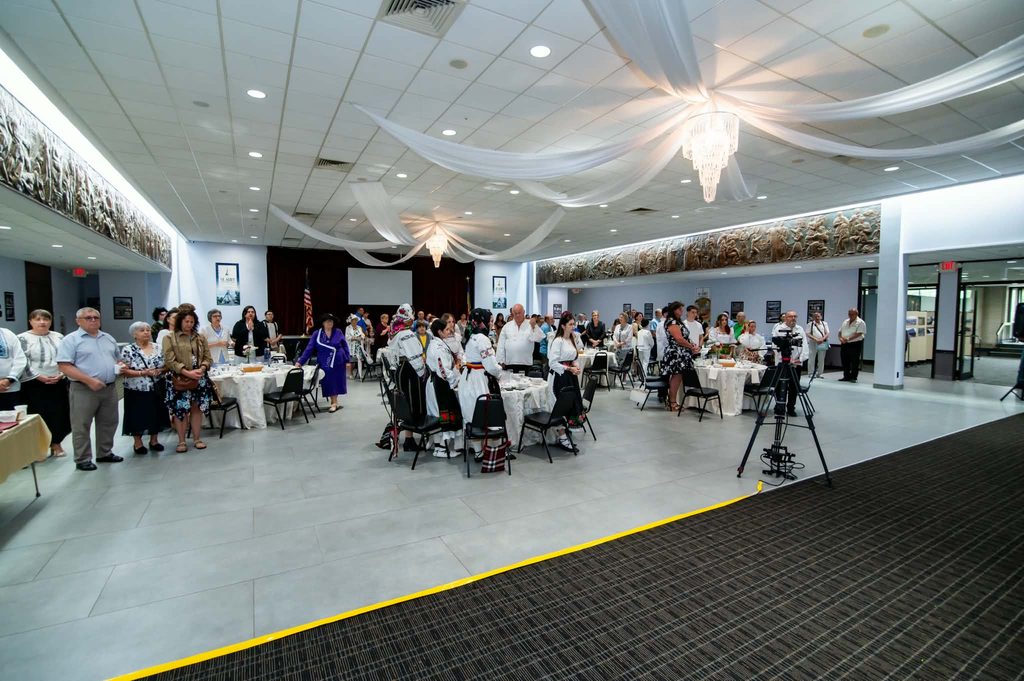
The symposium was held with the blessing of His Eminence Archbishop Nathaniel of Detroit and of the Romanian Orthodox Episcopate, as part of the project “Romanian Identity through Culture – A National and International Program Dedicated to the Constantin Brâncuși Year and the 70th Anniversary of Romania’s Accession to UNESCO,” organized by the “Unirea” Cultural Association, with funding from Romania’s Ministry of Culture. The event brought together representatives of the Church, the academic and cultural communities, educational and administrative institutions, as well as members of the Romanian community in Cleveland.
The choice of August 15 gave the gathering a special significance. The symposium took place under the blessing of the Feast of the Dormition of the Mother of God, the patronal feast of the Cathedral, on a day when prayer and Eucharistic communion were followed by reflection on the spiritual and cultural heritage that Romanians in America have received from previous generations. At the same time, this period brought together several important cultural milestones: the Constantin Brâncuși Year, 70 years of Romania’s presence in UNESCO, and the 160th anniversary of the Romanian Academy.
With the blessing of His Eminence Archbishop Nathaniel, His Grace Bishop Andrei of Cleveland, Auxiliary Bishop of the Romanian Orthodox Episcopate of America, participated in the event and offered a word of blessing to those in attendance. His Grace’s presence underscored the natural connection between the spiritual life of the community and its responsibility to preserve the identity and heritage it has received.
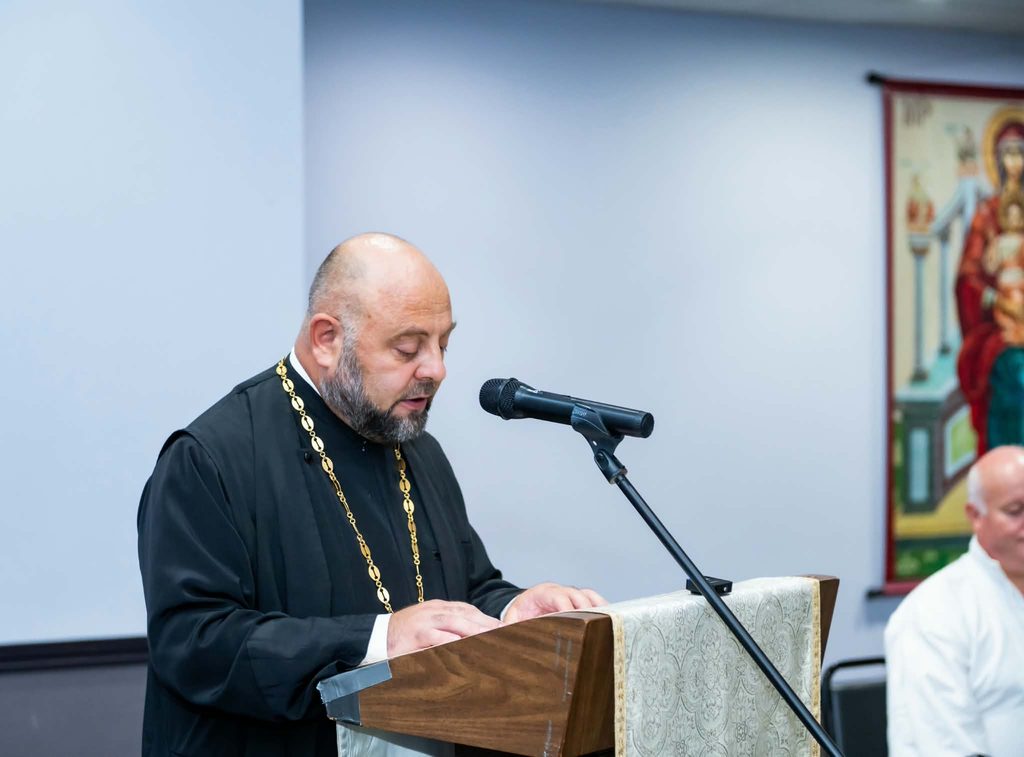
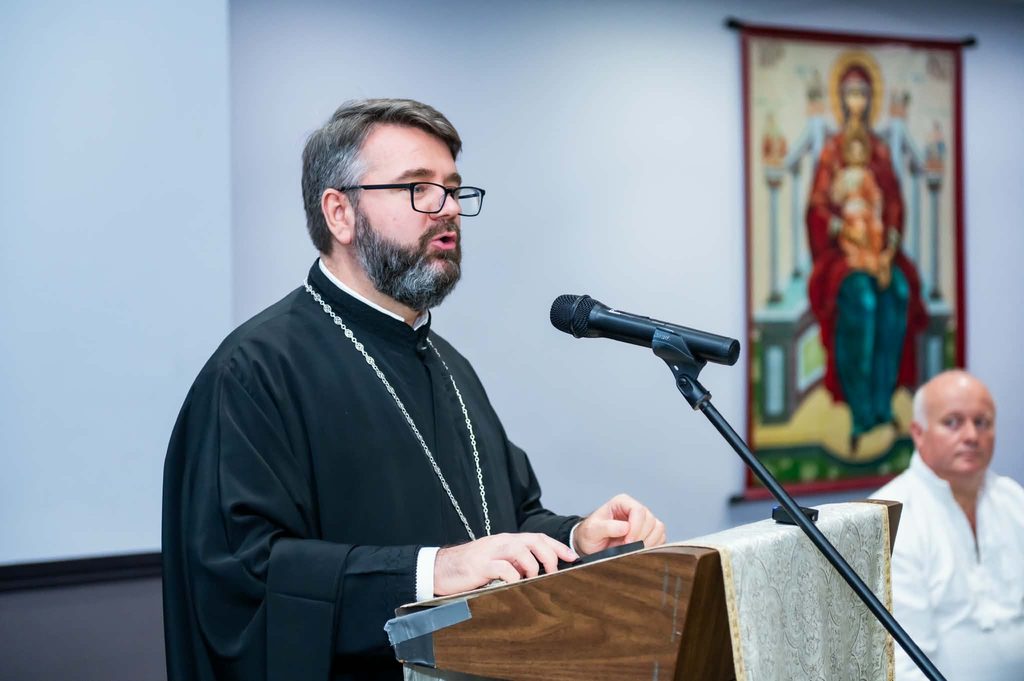
In his opening remarks, Rev. Dr. Cezar Pelin, Rector of the Cathedral, reflected on the mission that Romanian communities in the diaspora have fulfilled throughout the generations: to preserve together their faith, language, culture, and Romanian heritage.
Beginning with the old saying that “The school was born in the church vestibule,” it was noted that, throughout history, it was around the Church that Romanians learned “not only to pray, but also to read, to write, to know their history, to preserve their language, and to understand their identity.” The same reality, in its own particular form, has also been repeated in the diaspora.
In this respect, the history of St. Mary Cathedral is itself a testimony. From its earliest beginnings, the Romanian community in Cleveland has united its liturgical and spiritual life with a commitment to preserving the Romanian language, culture, and identity. The generations that built and sustained this community understood that it is not enough to build a church; one must also build a community, preserve a memory, and, above all, prepare the generation that will come after you.
A concrete example of this continuity is the St. Mary Romanian Ethnic and Art Museum, whose collections belong to the Cathedral and which preserves, alongside ecclesiastical and liturgical objects, numerous testimonies to the life, faith, and creativity of generations of Romanians who have lived in America. These testimonies must not remain merely relics of the past; they must be known, studied, and brought to light so that their meaning may remain alive in the consciousness of the community.
This responsibility was summarized in the opening remarks through several statements that expressed one of the central themes of the entire gathering: “Tradition cannot merely be admired. It must be lived. Heritage cannot merely be preserved. It must be brought to light and given its proper value. Identity cannot merely be declared. It must be passed on.”
From the same perspective, intercultural dialogue does not mean relinquishing one’s own identity but, on the contrary, having the ability to bring into our encounter with others what is most authentic and valuable in each community.
A Bridge Between Maramureș and Ohio
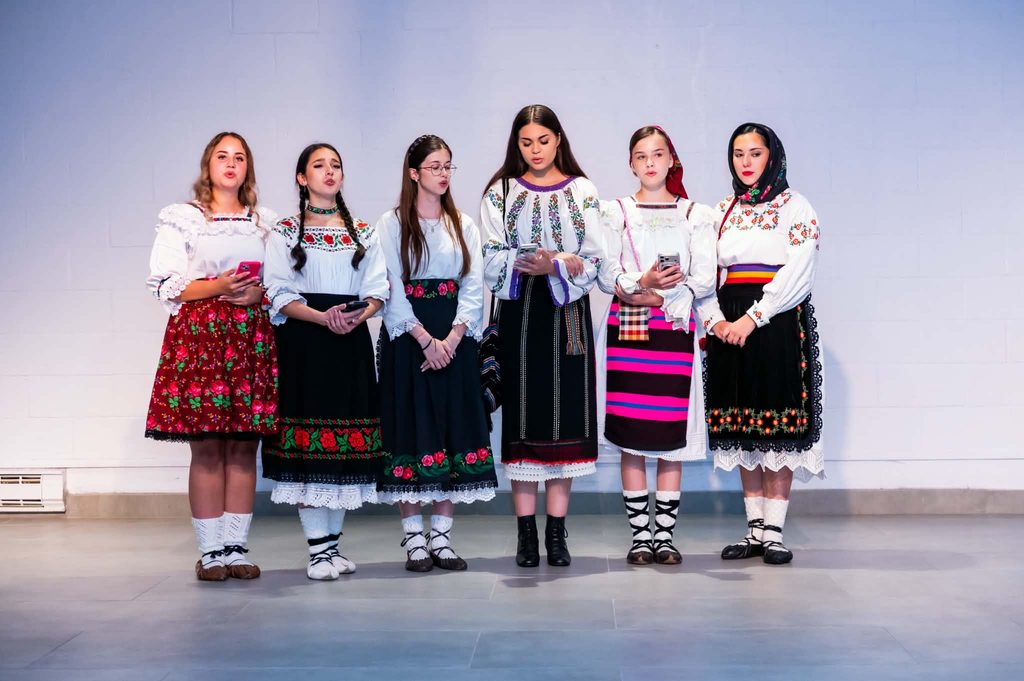
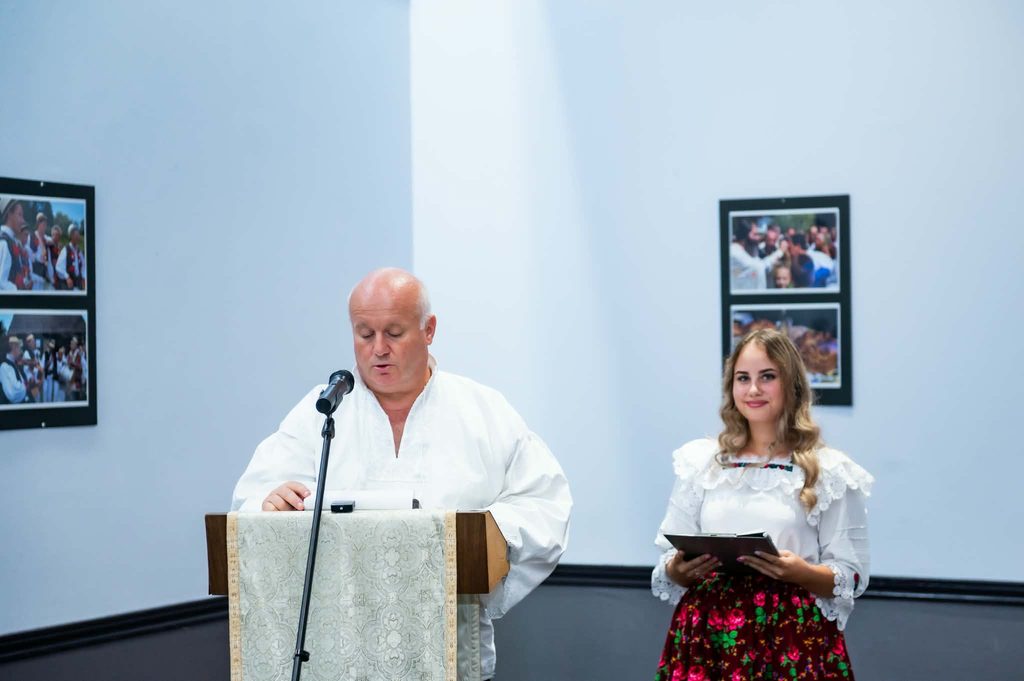
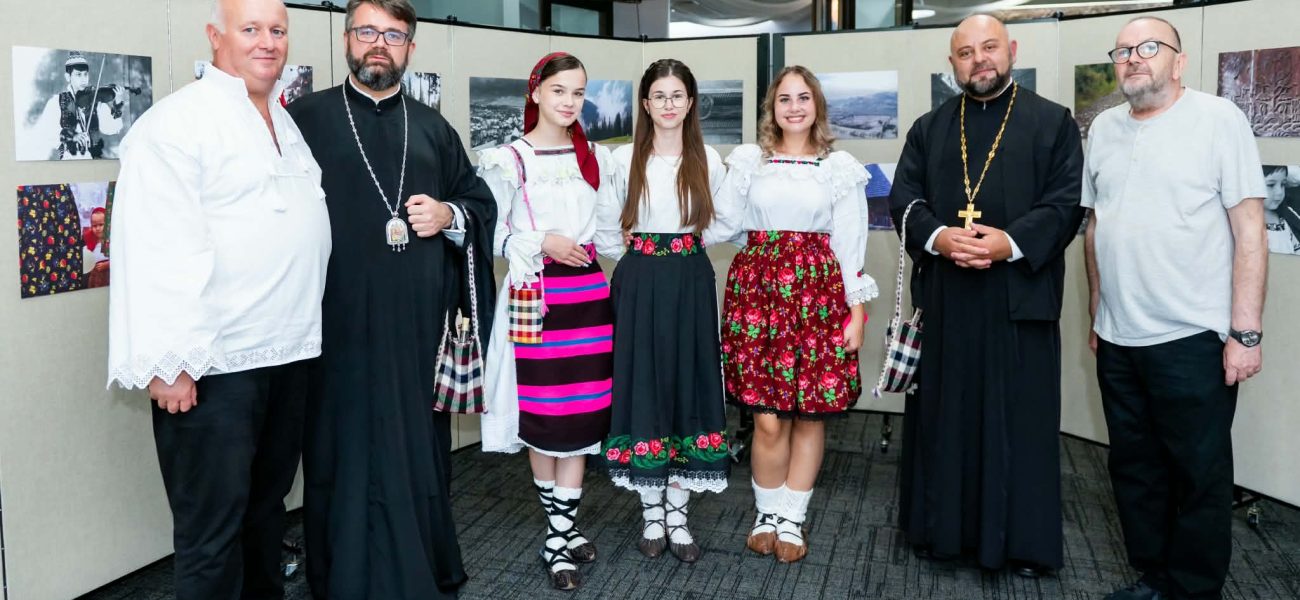
An important role in organizing and conducting the symposium was played by Prof. Dr. Ioan Iuga, President of the “Unirea” Cultural Association and Director of the Children’s Palace of Baia Mare, who moderated the activity. He was joined by Prof. Romeo Todea and members of the “Comorile Izei” group, who brought to Cleveland the songs, traditional dress, and customs of Maramureș.
The presence of the guests from Maramureș had particular significance, as August 15 is also associated with the celebration of Maramureș Day. Thus, as was noted at the opening of the symposium, for several days the Atlantic Ocean seemed to cease being a geographical divide and instead became “a bridge of spiritual and cultural connection between Romania and the United States of America, between Maramureș and Ohio, between Romanians at home and Romanians everywhere.”
The symposium program included presentations, messages, and other materials delivered or transmitted by:
- Academician Marius Andruh, President of the Romanian Academy – a message delivered and read by Prof. Dr. Ioan Iuga;
- Ligia Deca, Secretary General of the Romanian National Commission for UNESCO – a message of appreciation presented during the event in audio-video format;
- Assoc. Prof. Dr. Vasile Timiș, Faculty of Theology, Babeș-Bolyai University in Cluj-Napoca;
- Gabriel-Valer Zetea, President of the Maramureș County Council;
- Prof. Ioan Muntean, Deputy General School Inspector, Maramureș County School Inspectorate;
- Diana Iluț, Manager, Maramureș Destination Management Organization;
- Monica Mare, Manager, Maramureș Museum, Baia Mare;
- the Mayor of Baia Mare – a message delivered and read by Prof. Dr. Ioan Iuga;
- an audio-video presentation dedicated to the town of Seini, Maramureș;
- Romeo Todea, who presented the opening of the photography exhibition “Maramureș – A Space of Cultural Identity and Continuity.”
Through the diversity of these contributions, the program brought ecclesiastical, academic, educational, cultural, and administrative perspectives into dialogue around one of the major concerns facing Romanian communities beyond the borders of Romania: how Romanian identity can be preserved without becoming merely a memory of the past, and how it can be passed on, naturally and as a living reality, to generations born and raised in the diaspora.
The symposium also emphasized the need for the spiritual and cultural treasure inherited from our forebears to be passed on to future generations through all the means available to contemporary society. Just as the Church’s pastoral ministry, while remaining faithful to the same truth of the Gospel, adapts its methods of ministry to the time, place, and needs of the people, so too must cultural and social communication make use of the language and tools of the present. Preserving an inheritance, therefore, means not only safeguarding it, but also finding ways for it to remain alive and accessible to the generations that follow.
From this perspective, the technical logistics and audio-video production for the symposium were provided by Light from Light – Orthodox Media, a new media initiative of St. Mary Romanian Orthodox Cathedral in Cleveland. Still in its early stages and supported by dedicated people willing to offer their skills and time in service to the community, this initiative seeks to use contemporary means of communication to document and promote the community’s spiritual and cultural heritage and to make it known to the generations of today and tomorrow.
In this context, the photography exhibition “Maramureș – A Space of Cultural Identity and Continuity,” presented by Prof. Romeo Todea, offered a visual expression of these same concerns. Through images of the landscape, traditions, and heritage of Maramureș, the exhibition complemented the academic dialogue with a testimony to the continuity of a culture that remains rooted in its heritage while, at the same time, making itself known beyond the borders of Romania.
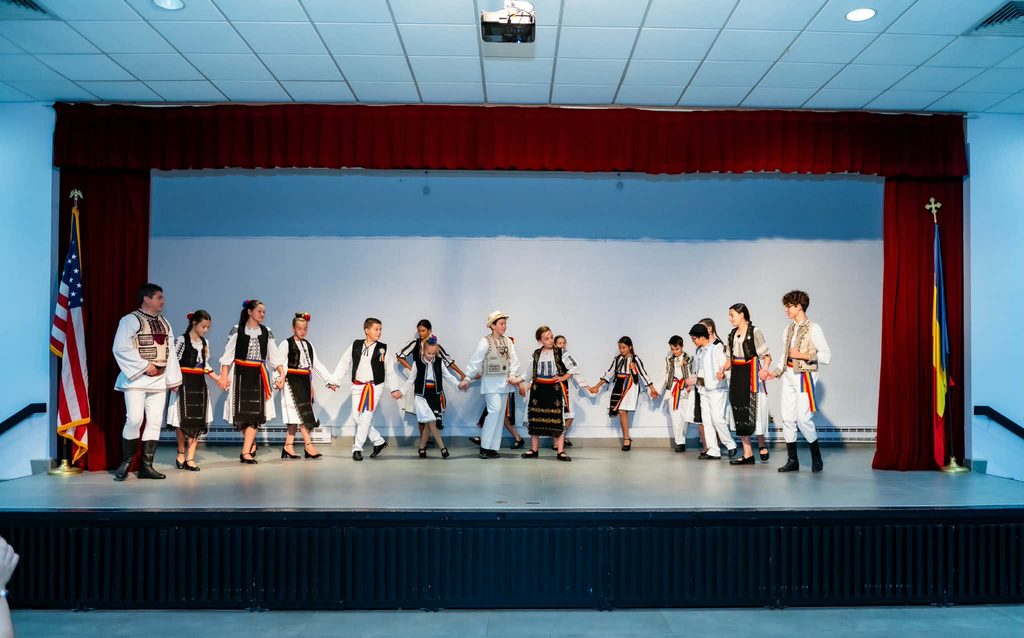
The presence of the “Comorile Izei” group, together with the Romanian Folk Ensemble “Ceata” of the Romanian communities of Cleveland, naturally complemented the cultural dimension of these days. Through song, traditional dress, and customs, Romanian culture was not merely presented or remembered, but lived in the midst of the community, bringing generations together and making visible the continuity between Romania and the diaspora.
A Heritage to Be Passed On
The Cleveland symposium was therefore more than an academic or cultural gathering. It became an opportunity to look toward the past with gratitude, but even more importantly, toward the future with a sense of responsibility.
For Romanian communities in the diaspora, the fundamental question is not only what have we received from those who came before us, but also what will we leave to those who come after us. Faith, language, traditions, heritage, and the memory of a community do not preserve themselves. They remain alive only insofar as they are known, embraced, and lived.
This awareness of responsibility toward future generations can be found in the very history of the Romanian community in Cleveland. Those who founded and built this community did not labor only for themselves. They built for their children and for those who would come after them. They left behind a church, a community, institutions, traditions, and a living memory.
For this reason, one of the ideas expressed in the opening remarks may also serve as a fitting conclusion to the entire symposium: “Heritage does not mean only what we have received. Heritage also means what we are capable of passing on.”
In a place where generations of Romanians have built both Church and community, the encounter between faith, culture, and tradition was not accidental. It continued a work begun more than a century ago and reaffirmed a responsibility that remains just as relevant today: the heritage received from our forebears truly remains alive only when it is passed on.